
Mold Testing in Gruversville, PA

Find Out What's Growing Before It Costs You

Accurate mold testing protects your family’s health and your home’s value with unbiased lab results and thermal imaging technology.

Hear from Our Customers

Professional Mold Testing Services

Know Exactly What You're Dealing With

You can’t fix what you can’t see. That’s the problem with mold in Gruversville homes—it hides in wall cavities, crawls through HVAC systems, and grows behind finished basements where Pennsylvania’s humidity does its worst work.

Professional mold testing gives you the full picture. Not a guess. Not a visual inspection that misses what’s behind drywall. You get lab-confirmed results that tell you the type of mold, the concentration level, and whether it’s something you can handle yourself or if it requires professional remediation.

Here’s what that means for you: no more wondering if that musty smell is serious. No more worrying whether your kids’ allergies are tied to something in the air. And if you’re buying or selling a home in Bucks County, you’ll have documentation that protects you legally and financially—because untreated mold can drop property values by 20% or more, and Pennsylvania law requires sellers to disclose known material defects.

Testing catches problems early, when they’re still manageable. It prevents the kind of expensive surprises that turn a $500 fix into a $5,000 remediation project.

Mold Testing Company Gruversville

We Test, We Don't Sell Remediation

We serve Gruversville and the surrounding Bucks County area with one clear advantage: we’re not trying to sell you remediation services when we walk through your door. That matters because 99% of companies offering “free” mold inspections also do the removal work—which creates an obvious conflict of interest.

We test. We analyze. We report. What you do with that information is your call.

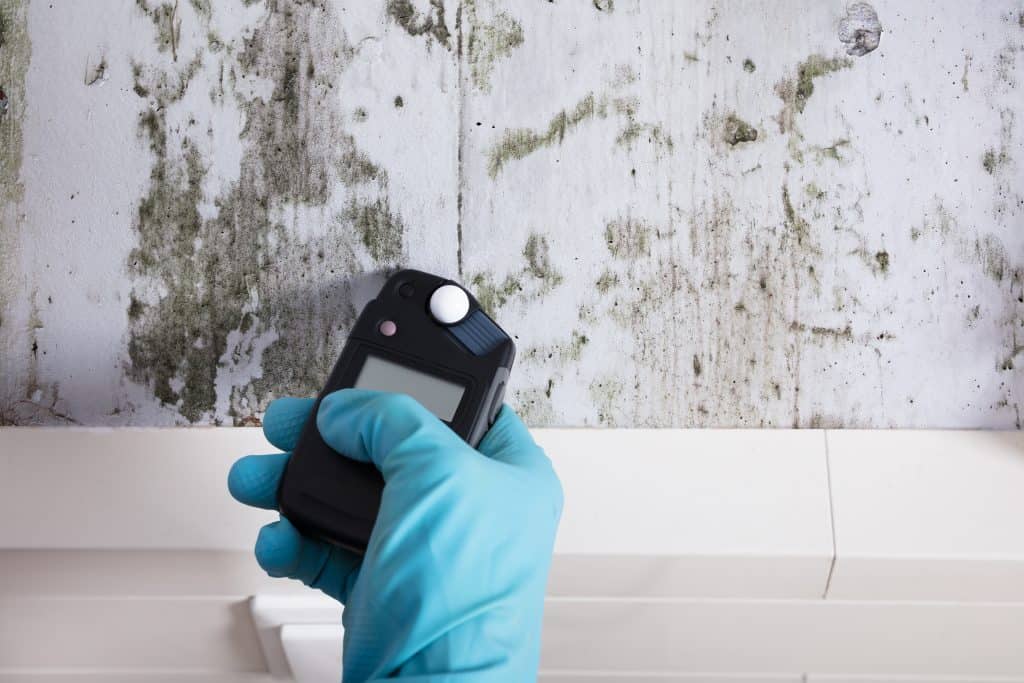
Our team uses thermal imaging cameras and moisture meters to find problems you can’t see, then we send samples to independent EPA-certified labs for analysis. You get a comprehensive report that breaks down exactly what’s in your home, where it’s coming from, and what your options are—from simple DIY cleanup to full contractor specs if the situation calls for it. We’ve been helping Gruversville homeowners make informed decisions about their indoor air quality, and we’re not interested in scaring you into services you don’t need.

How Mold Testing Works

Here's What Happens When You Call

First, we schedule a property visit—often within 30 minutes if you’re dealing with something urgent. When we arrive, we’re not just looking at visible mold. We’re using infrared cameras to detect moisture and temperature differences that indicate hidden problems. We’re checking your HVAC system, your basement, your crawl spaces, anywhere water or humidity creates risk.

Next, we collect air and surface samples from affected areas and send them to an independent laboratory. Not an in-house lab. Not a partner lab. An EPA-certified third party that has no stake in what we recommend afterward.

Within a few days, you receive a detailed report. It identifies the type of mold, the concentration levels, and whether you’re dealing with common household mold or something more serious like black mold. The report also includes our recommendations—sometimes it’s as simple as improving ventilation or fixing a leak. Other times, it requires professional remediation, and we’ll tell you exactly what that should look like so you can hire the right contractor.

You’re not locked into anything. You’re just informed. And in a market where sellers are legally required to disclose mold issues and buyers are increasingly requesting testing before closing, that information is worth a lot more than what you’ll pay for the test.

Ready to get started?

Explore More Services

About Mack's Mold Removal

Residential Mold Testing Gruversville

What You Get with Professional Testing

You get accuracy. DIY mold test kits from the hardware store can’t tell you what species you’re dealing with or how much is actually in the air. They give you a yes/no answer to a question that requires a lot more detail. Professional testing uses calibrated equipment and laboratory-grade analysis to give you the real numbers.

You also get documentation. If you’re buying a home in Gruversville, professional mold testing protects you from inheriting someone else’s problem. If you’re selling, it proves you’ve been transparent and gives buyers confidence. If you’re filing an insurance claim, it provides the evidence adjusters need to process your case. And if you’re just trying to figure out why your family’s been coughing for three months, it gives you answers.

Bucks County’s climate—humid summers, wet springs, aging housing stock—creates ideal conditions for mold growth. Basements flood. Roofs leak. HVAC systems condense moisture in the wrong places. About 37% of U.S. households experience some form of water leakage, and in older areas like Gruversville, that number’s likely higher. Professional testing finds the source before it spreads, and it tells you whether you’re looking at a maintenance issue or a health hazard.

How much does professional mold testing cost in Gruversville?

Professional mold testing typically costs between $300 and $600 depending on the size of your property and how many samples need to be collected. That includes the on-site inspection, air and surface sampling, laboratory analysis, and a detailed report with recommendations.

It’s not cheap, but compare that to the cost of guessing wrong. If you skip testing and hire a remediation company based on a visual inspection, you might spend thousands removing mold that wasn’t dangerous—or worse, you might miss hidden contamination that keeps growing. Testing gives you a clear scope of work so you’re not overpaying or under-addressing the problem.

For real estate transactions, testing often pays for itself. Buyers who discover mold after closing can sue for repair costs and damages. Sellers who test beforehand avoid legal exposure and can address issues before they tank the deal. If you’re dealing with health symptoms or planning any renovation work in an older Gruversville home, testing first is just smart risk management.

A mold inspection is a visual assessment. Someone walks through your property, looks for visible mold, checks for moisture problems, and gives you their professional opinion. It’s useful, but it’s limited—mold grows in places you can’t see, and a visual inspection won’t tell you what species you’re dealing with or how much is in the air.

Mold testing goes further. It involves collecting air samples and surface samples, then sending them to a lab for analysis. The lab identifies the type of mold and measures the concentration. That’s critical because not all mold is equally dangerous, and the level of contamination determines whether you need professional remediation or just better ventilation.

Most comprehensive mold assessments include both—inspection to find the problem areas, testing to confirm what’s there. If you’re buying a home in Bucks County and the inspector notes moisture issues or visible mold, testing is the next step. If you’re experiencing unexplained respiratory problems or musty odors, testing tells you whether mold is the cause and how serious it is.

You can, but you won’t get the information you actually need. DIY mold test kits tell you whether mold spores are present—which they always are, because mold spores exist everywhere. What they don’t tell you is what type of mold you have, how much is in the air, or whether it’s at levels that require action.

Professional testing uses calibrated equipment to measure airborne spore concentrations and compares them to outdoor baseline levels. The samples go to an EPA-certified lab that identifies the species. That matters because some molds are relatively harmless, while others—like black mold—can cause serious health problems. DIY kits can’t make that distinction.

If you’re just curious, a DIY kit might satisfy that curiosity. But if you’re making decisions about remediation, preparing for a real estate transaction, or trying to protect your family’s health, professional testing is the only way to get reliable answers. In Gruversville’s humid climate where mold is common, knowing what you’re dealing with is worth the investment.

The on-site inspection and sample collection usually takes one to two hours depending on the size of your property and how many areas need testing. We’re thorough—checking HVAC systems, basements, crawl spaces, anywhere moisture creates risk—but we’re not there all day.

After we collect samples, they go to an independent laboratory for analysis. Lab results typically come back within three to five business days. Once we receive the results, we compile a comprehensive report that breaks down what was found, where it was found, and what your options are.

From the day you call to the day you have a full report in hand, you’re usually looking at about a week. If you’re dealing with an urgent situation—health symptoms, active water damage, a real estate closing deadline—we can often expedite the process. The key is getting accurate results, not rushing through and missing something important. Gruversville homes, especially older properties, can have complex moisture issues that take time to assess properly.

Yes. The lab report identifies the type and concentration of mold in your home, and our assessment tells you what that means in practical terms. Sometimes the answer is simple—fix a leak, improve ventilation, clean the affected area with the right products. Other times, the contamination level or mold species requires professional remediation.

We’ll tell you which situation you’re in. If remediation is necessary, the report includes detailed specifications so you know exactly what contractors should be doing—what areas need containment, what materials need removal, what cleaning protocols apply. That protects you from overpaying or hiring someone who cuts corners.

Here’s the important part: we don’t do remediation. We test and report. That means our recommendations aren’t influenced by whether we get the removal job. You can take our report to any qualified contractor, get competitive bids, and make an informed decision. In Pennsylvania, where regulations are moving toward prohibiting companies from doing both testing and remediation, that independence matters. You get unbiased information, not a sales pitch.

In Bucks County’s climate, you’ll most commonly see Cladosporium, Penicillium, and Aspergillus—all of which thrive in damp, humid conditions. These molds typically appear in basements, bathrooms, and around windows where condensation builds up. They’re not always dangerous at low levels, but prolonged exposure can trigger allergies and respiratory issues.

Black mold—Stachybotrys chartarum—is less common but more concerning. It grows on materials with high cellulose content like drywall and wood, usually after significant water damage. Black mold produces mycotoxins that can cause serious health problems, especially for children, elderly residents, and anyone with compromised immune systems.

The only way to know what you’re dealing with is through lab testing. Visual identification isn’t reliable—different mold species can look similar, and what appears to be surface mold might indicate a larger problem behind walls or in HVAC systems. Gruversville’s older housing stock and humid summers create ideal conditions for multiple mold types, so professional testing gives you the specific information you need to address the problem correctly.

Other Services we provide in Gruversville